Insights & Inspiration

The Blog

Real estate tips, market insights, design inspiration, and stories from the communities I serve — Hamilton, Burlington, Oakville, Milton, and Waterdown.

Syndicated from Royal LePage

From the Royal LePage Blog

Expert articles on home improvement, design trends, and Canadian real estate — delivered straight from our national content team.

← Back to Blog

Life-Changing Moments That Move the Housing Market

Life-Changing Moments That Move the Housing Market

Life is a journey filled with unexpected twists and turns, like the excitement of welcoming a new addition, retiring, and starting a new adventure, or the bittersweet feeling of an empty nest. If something like this is changing in your own life, you may be considering buying or selling a house. That's because through all these life-altering events, there is one common thread — the need to move.

Reasons People Still Need To Move Today

According to the National Association of Realtors (NAR), there have been a lot of these milestones or life changes over the last two years. And these big life changes are going to continue to impact people moving forward, even with the current affordability challenges brought on by higher mortgage rates and rising home prices.

Because high mortgage rates, elevated home prices, and stubbornly low inventory make today's housing market particularly challenging, many of today's buyers are motivated by life changes — such as growing families, supporting elderly parents or grown children, or accommodating professional needs.

Lean On a Real Estate Professional for Help

Whether you're beginning your search for a home or preparing to sell your current house, you don't have to go it alone. With their expertise, a real estate agent is an invaluable partner who can help you smoothly transition through these big moments in your life. Here are just a few examples.

When Buying a Home

If you're welcoming a new addition and want more space, the need for a new home may be a top priority. While higher home prices and mortgage rates are creating challenges for buyers, you may have to find a way to meet your changing needs, even with today's mortgage rates.

A skilled real estate agent can help. Their expertise and knowledge of the local housing market can save you a considerable amount of time and stress. An agent will take the time to understand your specific needs, budget, and preferences, allowing them to narrow down your search and present you with suitable options.

When Selling a House

If you're retiring or going through a separation or divorce, your main focus may be to make the most out of your investment when selling your house, so you can find one that works better for you moving forward.

This is another place where a real estate agent's expertise truly shines. They can accurately assess your home's market value, suggest improvements to enhance its appeal, and craft a strategic marketing plan. Their negotiation skills are a big asset when it comes to making sure you get a fair price for your house, allowing you to move on to the next chapter of your life with confidence and peace of mind.

No matter your situation, lean on a trusted professional for help as you buy or sell a home.

Bottom Line

If recent life-changing events have you wanting or needing to move, connect with a local real estate agent.


← Back to Blog
← Back to Blog

3 Factors Affecting Home Affordability

3 Factors Affecting Home Affordability

There's been a lot of focus on higher mortgage rates and how they're creating affordability challenges for today's homebuyers. It's true that rates climbed dramatically since the record-low we saw during the pandemic. But home affordability is based on more than just mortgage rates — it's determined by a combination of mortgage rates, home prices, and wages.

1. Mortgage Rates

While mortgage rates are higher than they were a year ago, they've hovered primarily between 6% and 7% for nearly eight months now. From September 2022-today, 30-year fixed rate mortgages have experienced some volatility. And even a small change in mortgage rates impacts your purchasing power. That's why it's so important to lean on your team of real estate professionals for expert advice to stay up to date on what's happening in the market. While it's hard to project where mortgage rates will go from here, many experts agree they'll likely continue to remain around 6%–7% in the immediate future.

2. Home Prices

Over the past few years, home prices appreciated rapidly as the record-low mortgage rates we saw during the pandemic led to a surge in buyer demand. The heightened buyer demand happened while the supply of homes for sale was at record lows, and that imbalance put upward pressure on home prices. However, today's higher mortgage rates have slowed down price appreciation.

And the truth is, home price appreciation varies by market. Some areas are seeing slight declines while others have prices that are climbing. The divergence in home price changes reflects a tale of two housing markets. Declines in the West are due to the tech industry slowdown and a severe lack of affordability after decades of undersupply. The consistent gains in the Southeast and South reflect strong job markets, in-migration patterns, and relative affordability due to new home construction.

To find out what's happening with prices in your local market, reach out to a trusted real estate agent.

3. Wages

The most positive factor in affordability right now is rising income. Higher wages improve affordability because they reduce the percentage of your income it takes to pay your mortgage — since you don't have to put as much of your paycheck toward your monthly housing cost.

Home affordability comes down to a combination of rates, prices, and wages. If you have questions or want to learn more, reach out to a real estate professional who can explain what's happening locally and how these factors work together.

Bottom Line

If you're planning to buy a home, knowing the key factors that impact affordability is important so you can make an informed decision. To stay up to date on the latest on each, let's connect today.

← Back to Blog
← Back to Blog

What is a Solarium vs Sunroom?

What is a Solarium vs Sunroom?

Whether you're looking to soak in as much daylight or enjoying your coffee on a rainy day, solariums can be a unique and gorgeous addition to your home. However, is a solarium the right investment for you? Or, would you be better off with a sunroom or a greenhouse, and what's the difference between them anyway? Read on to find out what a solarium is, the pros and cons of adding one to your home, and if it's the right choice for you.

What is a solarium?

A solarium, also known as a conservatory, is a room made entirely out of glass. Intended for year-round use, solarium walls are made out of inch-thick double pane glass, maintaining energy efficiency while keeping out some of the cold and heat. You'll be able to enjoy the perks of being outdoors without the weather dampening your plans, all within the comfort of your home.

What's the difference between a solarium vs sunroom?

The difference between a solarium and a sunroom is quite simple — it's down to the amount of glass used in its construction. While a solarium is made almost or entirely out of glass, a sunroom is built with large windows and a ceiling made with other materials. Sunrooms may have fans and insulation, making them usable year-round depending on the building materials used.

Should I choose a sunroom over a solarium?

Depending on what you're looking for, a sunroom may be more favourable since it's generally cheaper to install and maintain. Although sunrooms are typically built for warmer weather, like spring and summer months, you can install additional upgrades such as heating and cooling systems to make them usable living space year-round. Sometimes, these sunrooms are called a "four-season room." Sunrooms typically also require less maintenance and are often less expensive to build. The cost of a sunroom ranges between $11K to $50K, compared to $30K to $75K for a solarium. In some cases, you may be able to purchase a sunroom kit for a DIY project, cutting the costs down further.

What's the difference between a solarium and a greenhouse?

A greenhouse is similar to a solarium, but their uses are often different. While you can use a solarium for various purposes, including growing plants, a greenhouse is typically dedicated to growing plants. Unlike solariums, greenhouses are made of either glass or translucent plastic. They're designed to shelter plants and provide them with the optimal light to grow. So, if you're looking for a place to relax or host guests, a greenhouse may not be the right option for you.

How much does a solarium cost?

A solarium can cost anywhere from $30K to $75K, depending on the space you want and the building materials needed. Since a solarium requires a steel structure to support the glass walls, ceiling, and double-pane glass, solariums are typically more expensive than a sunroom or enclosed patio. However, you'll have an unobstructed view of the sky and your surroundings.

Pros of a solarium addition

Unobstructed views: One of the main pros of a solarium is the sweeping views of the outdoors. With glass walls and ceiling, you can watch the snow fall or enjoy the views on a sunny day, without anything blocking your views.

Protection from the weather: Solariums offer a layer of protection against the elements. You can enjoy an afternoon watching the rainfall from within the comfort of your home, but feel more closely connected to nature.

Multi-use: Solariums can be used in a multitude of ways — whether as a place to read, practice indoor yoga, stargaze, or even grow out-of-season plants.

Cons of a solarium addition

Maintenance: With an all-glass structure comes a lot of care. It can be difficult to keep a solarium's views spotless when it's constantly exposed to the elements.

Heat: Solariums can often get quite hot. You can mitigate this by installing a vent fan or retractable screens to block some of the sun's rays.

Price: Compared to other types of sunrooms, solariums are usually the priciest. If you're looking for a less expensive alternative, consider a sunroom addition or a DIY sunroom kit.

Will a solarium or sunroom add value to my home?

With any home improvement project you take on, the ultimate goal is to increase the value of your home over time. Sunrooms only have a 97.2% sale-to-list ratio. This means that homes with sunrooms are not sold above list price and don't necessarily increase the value of your home. However, while solariums and sunrooms can be expensive, they may be the right investment for you if they meet your needs, day-to-day life, and align with your budget.

Is a solarium right for you?

No matter what home improvement project you decide to undertake, choosing the right one takes time and consideration. When deciding between a solarium and a sunroom, determine what's most important to you and if it fits into your budget and lifestyle.

← Back to Blog
← Back to Blog

4 Inspiring Kitchen Upgrades Trending Now

4 Inspiring Kitchen Upgrades Trending Now

For many households, the kitchen tends to be one of the most-used spaces in the home. It's where you cook, entertain, and have family dinner. And even when it's not mealtime, the kitchen often becomes a gathering place for snacking, doing homework, and spending time together.

Does your current kitchen live up to your expectations and meet your needs? If not, it's time for a few upgrades. For inspiration, take a look at these trending renovation and remodelling projects.

1. Mix open shelving with functional hidden storage.

Open shelving is big these days, but it's not the best option for everyone. Mixing open shelves with hidden storage often makes more sense (especially if you have a lot of stuff to store). For the best of both worlds, consider pull-out drawers beneath your cabinets, revolving trays inside the closed-off areas, and tables with built-in storage compartments.

2. Opt for bold colours on cabinets.

White kitchens had their moment, but bolder hues are becoming more popular now. You'll probably start seeing more greens, purples, and blues — brighter and deeper tones that really catch the eye and show off some personality.

3. Choose unique flooring.

While sleek stone and tile will always be in, today's designers are also getting creative with unique flooring choices. They're mixing up light and dark woods, opting for herringbone patterns, and using reclaimed wood to add character.

4. Go multipurpose.

The kitchen isn't just for eating and cooking. For many, it's where we work remotely, log into virtual schooling, or even get our exercise in. Finding ways to make your kitchen more functional and useful to all family members is a trend that's sure to stick around.

Need more help deciding on value-building renovations? Considering buying a new home instead of remodelling? Get in touch today.

← Back to Blog
← Back to Blog

9 Things to Do Before You Move In

9 Things to Do Before You Move In

How exciting! The home has been purchased; inspection is done, and the closing date is set. Now what? It can be overwhelming to think about the packing and moving, especially when there are some things to consider at the new home. Here is a list of 9 items to take care of before moving to make it a little easier.

1. Turn on your utilities

In order to make any repairs, clean, or really do anything in the new home before you move in, utilities need to be turned on. While you may not need cable TV or internet, you'll want to at least make sure you have water, electricity, and gas working.

2. Take care of any necessary repairs from the inspection

Your inspector may have found some items worth taking care of right away during the home inspection and depending on what the agreement is, you may need to fix them after closing on the house. Prior to moving in, try and fix as many of the big-ticket items as possible. This will be one less thing to deal with after you move in. This is especially true if the repairs have anything to do with plumbing, electrical, or roofing.

3. Deep clean the entire house

The sellers may have hired cleaners or attempted to clean the home themselves, but it is always best to deep clean the house. Some people may opt to do this themselves, but there's nothing wrong with hiring a professional cleaning service. This will ultimately save a lot of time. Some areas of the home to pay close attention to are cabinets and closets, flooring, appliances, and bathrooms.

4. Add any additional storage, shelving, or built-in features you want

If you purchased the home knowing that you were going to want additional shelving, cabinets, or storage, it's best to get all of these items added and built out before you move in. This means that when you do move, you'll be able to put away all of your things instead of leaving boxes to get unpacked after your new shelves are complete.

5. Complete all interior paint if necessary

If you are planning on changing or even just touching up the existing paint in your new home, it's best to get this done prior to moving in all your furniture and possessions. It will make the process significantly easier for both you and the painters if they don't need to worry about moving and covering furniture.

6. Call in the exterminator

If you're already aware of some type of pest problem it's an especially good idea to call these guys before you move in — but even if you're not, it's never a bad idea to have pest control come out and spray your yard and home. If you have pets, it will be significantly easier to have them come before you move in.

7. Reset your garage door code

More than likely the previous owners of the house gave you all the garage door openers, but in my opinion, it never hurts to reset the code just to be extra sure that no unwanted visitors will be coming in through the garage. This is also a good idea for new home build owners — even if you're putting a brand-new garage door opener in your garage, make sure to reset or change the code.

8. Change your locks and keys

During the home selling process, keys are given to many different people like handymen, inspectors, and real estate agents. In addition, homeowners typically provide backup keys to close friends and family or even neighbours or house sitters. So even though you were provided "all" copies of your new keys at closing, you never know who might still have an extra copy. After you have finished all necessary repairs, cleaning, and construction, hire a locksmith to change your locks.

9. Change your address everywhere

You will need to change your address on your identification, Driver's Licence/Health Card, bank, doctor's offices, work, and more. Service Ontario handles your Driver's Licence and Health Card; Canada Post can forward your mail.

Have questions about buying or selling a home? Get in touch today.

← Back to Blog
← Back to Blog

4 Home Buying Misconceptions to Avoid

4 Home Buying Misconceptions to Avoid

It's common for both first-time homebuyers and experienced homeowners to feel overwhelmed by the process of purchasing a house. Plus, myths and misconceptions often make the experience even more confusing.

Myths like: Renting is cheaper than buying. You need a credit score of 700 to get a mortgage. You shouldn't buy in a seller's market. Have you come across any of these? If you're thinking of buying in the next year, don't let these misleading ideas deter you from your goals.

Myth #1: You need a certain credit score

While mortgage programs do have credit score minimums, you'd be surprised at how low those go. Just know that your score may also affect the interest rate and terms of the mortgage. If you would like tips on how to improve your score or want to know if your credit score is high enough, reach out to us. We have GREAT mortgage agents to refer you to.

Myth #2: You should only buy during certain seasons or market conditions

Whether it's a Buyer's market or a Seller's market doesn't determine whether you should buy a house. As long as you choose a home you can afford and one that will grow in value, it's still a smart long-term investment.

Myth #3: It's cheaper to rent than buy

Home prices have been rising lately, but rents have jumped significantly, too. Since homeownership allows you to build equity and wealth over time, it's important to crunch the numbers before assuming you're better off renting.

Myth #4: You should get a mortgage from your bank

Your bank should definitely be on the list, but don't limit your shopping to just them. We recommend working with a mortgage agent that can get you the best mortgage for you.

Have questions about buying or selling a home? Get in touch today.

← Back to Blog
← Back to Blog

Selling Your Home? Don't Forget These 6 Maintenance Tasks

Selling Your Home? Don't Forget These 6 Maintenance Tasks

If you're a homeowner, you already know that keeping your property in tip-top shape requires dedication and patience for ongoing maintenance. But what if you're putting your home on the market or even accepted an offer? Perhaps you're thinking: Not my problem anymore.

However, just because you're selling doesn't mean you're off the hook from routine maintenance tasks — and that's especially true if you've already vacated the house. Sure, a well-cared-for house shows better: small things like broken doorbells and leaky faucets make buyers wonder if your property also has bigger issues elsewhere. But more important, a little routine maintenance can help you avoid a catastrophic problem down the line (burst pipes, roof leaks, critters moving into your attic) that could devalue your property and derail that sale.

To prevent minor issues from escalating into full-blown, money-sucking, sale-killing problems, focus on these six important areas you can't afford to neglect.

Keep up the yard and walkways

Whether you're still living in the house or not, you'll want to make sure to keep your landscaping tidy — remove dead tree limbs, rake leaves, and clean out flower beds. Curb appeal is so important. If your home is already vacant, have someone tend to the yard regularly so that grass and weeds don't detract from your home's appearance. Consider having lights on timers so the house doesn't look dark all the time, and arrange for driveways and walkways to be plowed weekly in the winter months. And don't let mail pile up in the mailbox.

Clean the gutters and check the roof

This one's easy to forget about, even when you don't plan on going anywhere. But when it comes to gutter and roof issues, neglect can cause a dangerous domino effect. Overflowing gutters can damage your foundation, and also lead to drainage issues. And of course, you don't want buyers seeing puddling water as they approach your house.

And then there's the roof. Of course, it'll be examined during the home inspection, but it would benefit you to do it before putting your home on the market. Small roof cracks can remain undetected for years, causing water to slowly infiltrate your home and damage ceilings and walls.

Service your heating systems

The hidden guts of your home need regular attention, whether you're still living there or not. That means having your HVAC systems professionally serviced. First up, your furnace: if you get it addressed before you list your home, it won't smell like dust when you crank up the heat during an open house on a chilly day. While you're at it, have the duct work and filters cleaned as well. And if you have baseboard heaters, vacuum those out, too.

Speaking of heat, it's suggested to keep the thermostat at 20 degrees Celsius when agents are showing your house so buyers can visit your place comfortably. This will also avoid any issues with pipes freezing or bursting in the colder months.

Have a chimney? Be sure to have it inspected and cleaned as well. You want to make sure there are no cracked flue tiles, and that from the exterior, there are no gaps in the mortar between the bricks.

Keep the critters out

If you don't want to add "family of raccoons included" to your listing (and pay the hefty tab for getting them out), inspect the inside and outside of your home for any areas that need to be plugged up. Take care of holes from damaged siding or fascia under the roofline — and do it promptly. In a colder climate, squirrels look for somewhere warm to go, and they'll find their way into your property. Stove and dryer vents, for example, should be covered with wire mesh to deter pests.

Wash your windows

Most people associate sparkling windows with spring-cleaning, but if your house is on the market, it doesn't matter what time of year it is — you need to get those babies squeaky clean. If buyers walk through your home and all they see is dirty windows, that'll really mar the showing process. Make sure to wipe them down after a bad storm, when they're especially likely to show muck and grime buildup.

Check the calendar

Depending on what time of year you bring your house to market, pay attention to any details that scream, "We don't live here or care anymore." That means tackling seasonal tasks such as clearing away lawn mowers in the fall and storing shovels in the spring. It's also a good habit to put away patio furniture in the fall and winter. Leaving them out all year long shows deferred maintenance and lack of caring, and can really turn off a potential buyer.

Staying on top of these regular tasks will make it easier to sell your home with fewer headaches. Plus, it'll preserve the value of your property, and potentially, the thickness of your wallet, too.

← Back to Blog
← Back to Blog

Canada's Housing Market Sees Modest Sales Growth in April: CREA

Canada's Housing Market Sees Modest Sales Growth in April: CREA

The Canadian real estate market entered the spring season with cautious momentum in April, as new listings increased, inventory held steady, and home prices showed the smallest month-over-month decline in six months, according to the latest report from the Canadian Real Estate Association (CREA).

While sales activity increased modestly between March and April, easing days on market and stabilizing prices suggest market conditions may be gradually improving.

Sales edge higher as spring listings flood the market

Home sales recorded across Canadian MLS® Systems rose 0.7% in April compared to the previous month — a modest but meaningful uptick as buyers began re-engaging with the market. More notably, new listings jumped 4.1% month over month, marking the traditional kickoff to the spring selling season.

Because new supply grew faster than sales within the month, the national sales-to-new listings ratio eased slightly to 45.6%, down from 47.1% in March. It's worth noting this may partly reflect a timing gap between when homes are listed and when they ultimately sell.

The long-term average for this measure sits at 54.8%, and readings between roughly 45% and 65% are generally considered consistent with balanced market conditions — meaning Canada remains within that range.

"While home sales were up only modestly from March to April, the small increase reflected a slow start to the month with a stronger handoff into May, alongside falling days on market and stabilizing prices," said Shaun Cathcart, CREA's senior economist. "This latest bout of global economic uncertainty and higher mortgage rates means the previously expected rebound in housing markets this year will continue to be muted, but it does not mean there will be no upward momentum at all."

Inventory remains below historical norms

At the end of April, there were 187,647 properties listed for sale across all Canadian MLS® Systems, up 2.2% compared to a year ago, though still 6.1% below the long-term average for this time of year.

Months of inventory — a key measure of how long it would take to sell all available homes at the current pace of sales — stood at 5.2 months nationally, up slightly from February and March as spring listings entered the market. This figure sits very close to the long-term average of five months.

Home prices show the slowest monthly decline since October

Perhaps the most encouraging development in April was on the price front. The National Composite MLS® Home Price Index (HPI) edged down just 0.1% on a month-over-month basis — the smallest decline recorded since October 2025. This aligns with other improving signals, including tightening sale-to-list price ratios and a gradual reduction in days on market in recent months.

On a year-over-year basis, the non-seasonally adjusted National Composite HPI was down 4.2% compared to April 2025, but that also represents the smallest annual decline seen so far in 2026 — a sign that the pace of correction may be slowing.

Regionally, prices remain down year over year in British Columbia, Alberta, and Ontario, which continue to offset gains recorded in other provinces. The national average home price came in at $695,412 in April 2026, up 2.2% from the same month last year.

Originally published by Royal LePage. Reprinted with permission.

← Back to Blog
← Back to Blog

Mortgage Before Marriage? Canadians Are Prioritizing Home Ownership Over Wedding Day Celebrations

Mortgage Before Marriage? Canadians Are Prioritizing Home Ownership Over Wedding Day Celebrations

82% of respondents say they would scale back or forgo a wedding to put money toward a down payment on a home.

With the rising cost of living continuing to reshape financial priorities, more Canadians are rethinking the traditional "dream wedding" in favour of a different long-term goal: home ownership. From smaller guest lists and backyard ceremonies to courthouse weddings and delayed honeymoons, couples are making bigger sacrifices to help get a foot on the property ladder.

According to a recent Royal LePage survey, conducted by Burson, 79% of respondents who are planning a wedding, or who have someone in their life who is, say they would consider requesting money for a down payment on a home instead of a traditional wedding gift (37% say definitely, and 42% say maybe). Of those respondents who are already married, 57% say they would have liked to request money for a down payment on a home instead of a wedding gift; 10% say they did in fact request money for their wedding.

"Few milestones carry more weight than buying a home or getting married. As the cost of living puts pressure on household budgets across the country, more Canadians are finding themselves having to make difficult trade-offs between the two — and in many cases, it's the wedding that gets scaled back," said Anne-Elise Cugliari Allegritti, vice president of research and communications, Royal LePage.

"There is no one-size-fits-all answer to the question 'rings or real estate?'. Every couple is different, and so are the circumstances under which they navigate these important life events. However, rising living costs — extending well beyond housing alone — are causing many Canadians to reassess how they prioritize major celebrations and long-term financial goals," she noted. "In the past, tradition may have dictated first marriage, then mortgage. Today, many couples are having to balance their desire for a once-in-a-lifetime wedding celebration with the reality of building equity and securing their financial future. For some, that means prioritizing getting into the housing market before walking down the aisle. Many people are recognizing that while a wedding is a beautiful one- or two-day event, a home is a lifetime investment."

Saying "I do" to home ownership first

When asked if they would forgo or significantly scale back a wedding to put money towards a down payment on a home, 46% of respondents across Canada say definitely; 36% say maybe. When thinking back to their own wedding, over half (55%) of married respondents say they would have forgone or significantly scaled back a wedding to put money towards a down payment on a home.

According to The Knot's 2025 Global Wedding Report, the average wedding costs approximately $33,000 USD, before a honeymoon or wedding rings (more than $45,000 CAD).

"With weddings, couples have more options when it comes to lowering costs — trimming the guest list, choosing a more modest venue, or cutting back on extravagant extras. Housing offers less flexibility, without compromising on size or location. As a result, some couples are choosing to trade the champagne toasts for a sizable down payment because they know that while you can always throw a party later, you may not always be able to find your forever home at today's prices."

Other interesting highlights from the survey:

  • Respondents in British Columbia are the most likely to request financial contributions toward a down payment in place of other wedding gifts.
  • Those in Manitoba, Saskatchewan and Quebec are less likely than the average Canadian to request money towards a home as a wedding gift.
  • When asked to identify the biggest or most important purchase in a person's life, 83% of respondents said a home.

Originally published by Royal LePage. Reprinted with permission.

← Back to Blog
← Back to Blog

How to Get the Most Out of Your Garage

How to Get the Most Out of Your Garage

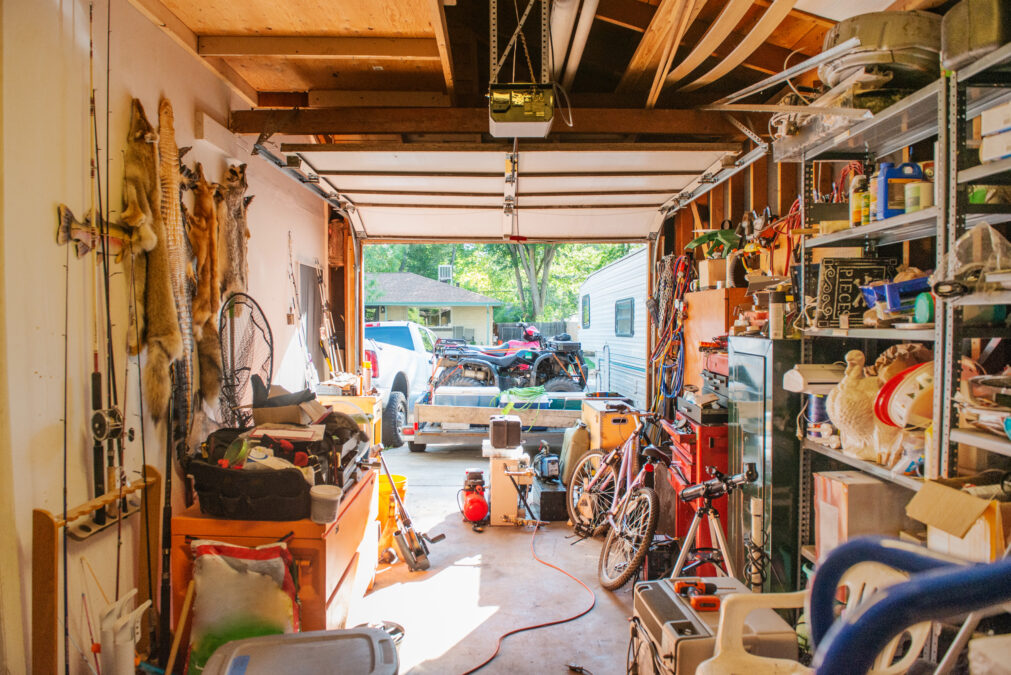
The best way to get the most out of your garage is to fully clear it out, deep clean it, organize storage vertically along the walls, and commit to parking your car inside every night. Done right, a well-organized garage protects your vehicle from Canada's harsh winters, reduces clutter, and saves you time every single morning from November through March.

Step 1: Do a Full Garage Cleanout (Budget a Full Weekend)

A garage cleanout takes a full weekend — not one afternoon. Pull everything out of the garage completely, then sort every item into four piles:

  • Keep – items you use regularly and have a specific place for
  • Donate – usable items you no longer need
  • Sell – sellable items for Facebook Marketplace or a garage sale
  • Trash – broken, expired, or unsalvageable items

Be honest: if something hasn't been touched in a year or two and you can't name a specific upcoming use for it, it's time to let it go.

Step 2: Deep Clean the Empty Garage

With everything out, clean the garage thoroughly before anything goes back in:

  • Sweep and scrub the floor. Use a concrete degreaser on oil or grease stains.
  • Wipe down walls and doors.
  • Inspect weatherstripping around doors and windows — gaps let in cold air and moisture over winter.
  • Check the garage door mechanism and test that it opens and closes properly.
  • Replace dead bulbs. Consider upgrading to LED fixtures for better visibility year-round.

Starting fresh with a truly clean space makes organizing far easier.

Step 3: Measure Your Space Before Buying Storage

Before buying any shelving, cabinets, or storage systems, measure your garage carefully:

  1. Map out the floor space your vehicle needs — length, width, and enough clearance on each side to open the doors comfortably.
  2. Treat the remaining wall space and ceiling as your storage area.
  3. Sketch a rough layout before purchasing anything.

Skipping this step is how you end up with shelving units that block a door or eat into your parking space.

Step 4: Build Upward — Use Vertical Storage

The goal is to keep the garage floor clear for your vehicle. The most effective way to do this is to go vertical:

  • Floor-to-ceiling shelving or wall-mounted cabinets along the perimeter maximize space without reducing parking room.
  • Clear, lidded bins labelled by category make it easy to find items without digging through stacks.
  • Pegboards with heavy-duty hooks are ideal for long-handled tools, garden hoses, extension cords, and sports equipment.
  • Overhead ceiling racks (typically rated for 250–600 lbs) are worth installing for seasonal items that only come down a few times per year.

Store frequently used items at accessible heights and move rarely touched items up high.

What Should Not Be Stored in a Garage

Not everything that ends up in a garage belongs there. Here's what to keep out:

  • Old paint, solvents, and flammable chemicals – hazardous in enclosed spaces and degrade with temperature swings. Check with your local municipality for safe disposal options.
  • Propane tanks – must be stored outside in a ventilated area, never indoors.
  • Birdseed, pet food, and unsealed pantry items – attract mice and other wildlife looking for warmth in winter.
  • Documents, photographs, and electronics – anything that can be damaged by moisture or cold belongs inside the house.

Park Inside Every Night — Especially in Canadian Winters

Committing to parking your car in the garage every night is the habit that holds everything else together. When the centre of the garage is consistently occupied by a vehicle, clutter has nowhere to accumulate.

Beyond organization, parking indoors has real benefits for your car:

  • Batteries hold their charge better in stable temperatures.
  • Engines start more cleanly when they haven't spent the night in freezing cold.
  • Paint, rubber seals, and trim last longer when not repeatedly cycled through freeze-thaw conditions.
  • You spend less time scraping ice and clearing snow on dark winter mornings.

A single weekend of work now pays off every morning from November through March.

Originally published by Royal LePage. Reprinted with permission.

← Back to Blog
← Back to Blog

How to Stage Your Outdoor Space for Spring Showings

How to Stage Your Outdoor Space for Spring Showings

Spring is one of the most active times in the housing market, and buyers are especially drawn to homes that embrace the season. A well-staged outdoor space can instantly boost curb appeal, create emotional connection, and set the tone before anyone even steps inside. Fresh greenery, clean lines, and inviting details can make a property feel move-in ready and well cared for.

Here's how to stage your outdoor space for springtime showings.

Refresh landscaping for instant appeal

After winter, outdoor areas often need a reset. Start with basic cleanup by removing debris, trimming overgrown shrubs, and edging lawns. Adding fresh mulch to garden beds creates a polished look and helps plants stand out. Seasonal flowers such as tulips, daffodils, or pansies can add vibrant colour and signal that the home is ready for spring.

Healthy, green grass is another key factor. If the lawn is patchy, consider reseeding or using sod to create a lush, uniform appearance. Even small improvements in landscaping can dramatically elevate the overall look.

Create inviting outdoor living spaces

Buyers are not just looking at the home itself, but also how they can use the outdoor space. Arrange patio furniture to define seating areas and create a sense of purpose. Simple additions like outdoor cushions, a clean rug, or a small table setting can help buyers visualize entertaining or relaxing outside.

Keep décor minimal and neutral to appeal to a broad audience. The goal is to showcase the space rather than overwhelm it.

Focus on cleanliness and maintenance

A spotless exterior signals that the home has been well maintained. Power wash driveways, walkways, siding, and decks to remove dirt and buildup from the colder months. Clean windows inside and out to maximize natural light.

Inspect for small repairs such as loose railings, chipped paint, or cracked pavers. Addressing these details can prevent distractions during showings and reinforce a sense of quality.

Highlight seasonal features

Spring offers natural advantages that should be emphasized. Open up patio umbrellas, uncover outdoor furniture, and ensure features like fire pits or water elements are clean and functional. If the property includes a garden, make sure it looks intentional and well cared for rather than overgrown.

If weather allows, subtle touches like a light floral scent near the entry or a blooming planter by the front door can enhance the sensory experience.

Improve lighting for evening showings

Longer days do not eliminate the need for good outdoor lighting. Soft, warm lighting along pathways, porches, and patios creates a welcoming atmosphere for late-day showings. Solar lights or updated fixtures can improve both safety and visual appeal without significant investment.

Keep it simple and seasonal

Spring staging works best when it feels fresh and effortless. Avoid overcrowding spaces with too many decorations or personal items. Instead, focus on clean lines, natural elements, and a cohesive look that highlights the property's best features.

A thoughtfully staged outdoor space can make a lasting impression and help buyers picture themselves enjoying the home throughout the season and beyond.

Originally published by Royal LePage. Reprinted with permission.

← Back to Blog
← Back to Blog

Tips to Make a Small Room Look Bigger

Tips to Make a Small Room Look Bigger

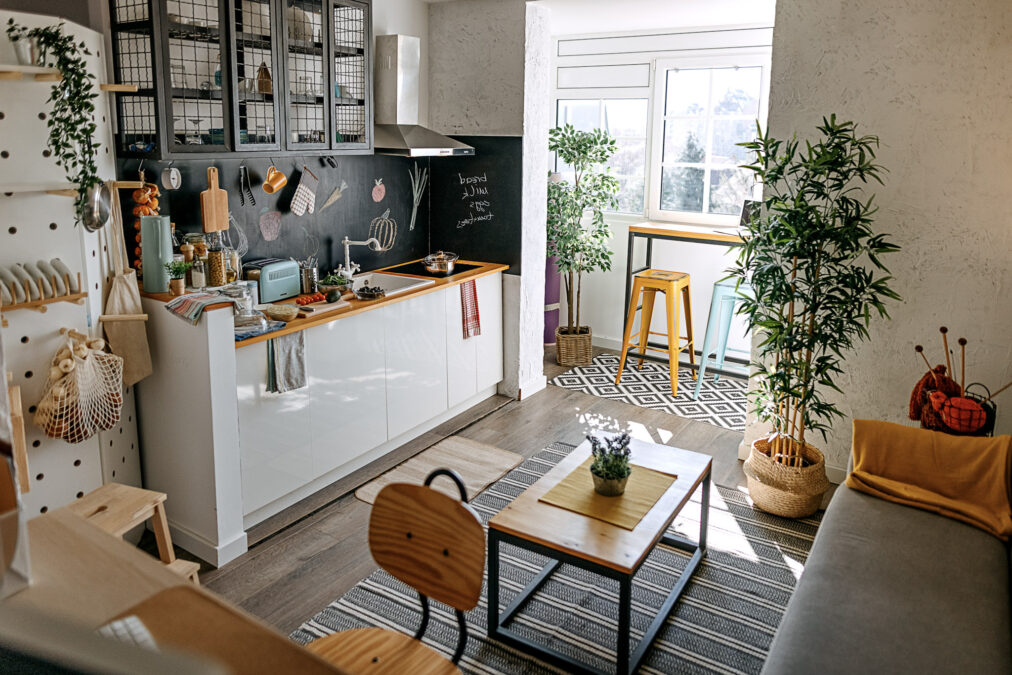
If you want to make a compact room feel brighter, airier, and more spacious than its square footage suggests, a few thoughtful design choices can make a big impact. These tried-and-true tips work in any room of the home and suit every budget — with no renovation required.

Lighten up the walls

Lighter paint colours instantly open up a room, helping it feel airy and expansive. White is a classic choice, but soft neutrals, gentle pastels, and muted tones can create the same sense of openness. Dark, saturated colours tend to absorb light and visually shrink a room, making it feel more intimate — which can be lovely, but not ideal if your goal is to maximize space.

Use mirrors to visually double your space

Mirrors are one of the most effective tools for making a room appear larger. A full-length mirror, a statement floor-to-ceiling piece, or a large framed mirror over a sofa or console will reflect light and create the illusion of added depth. Placing mirrors opposite windows is especially impactful, helping to bounce daylight throughout the room.

Streamline your window treatments

Heavy, long curtains can visually shorten walls and interrupt the flow of the room. For a cleaner, more open look, try low-profile blinds or shades that can be tucked neatly out of sight. If you prefer curtains, choose sheer fabrics or panels that closely match the wall colour to maintain continuity and avoid breaking up the room.

Clear the floor and edit your furniture

Crowded rooms feel smaller. Removing just one unused or oversized piece of furniture can dramatically improve the sense of space. When selecting new items, choose pieces scaled appropriately for the room. For example, apartment-sized sofas and slim-profile accent chairs offer comfort without overwhelming the layout.

Choose furniture that feels visually light

Open, airy furniture helps extend sightlines and keeps a small room from feeling boxed in. Great options include:

  • Glass or acrylic coffee tables
  • Dining tables with slim silhouettes
  • Chairs with visible legs rather than skirting
  • Clear resin pieces for modern spaces

These elements allow the eye to travel through the room, creating a more spacious feel.

Keep patterns and décor simple

Bold patterns and heavy textures can dominate a small room. Opt for subtle prints, minimal accessories, and cohesive colour palettes to maintain a sense of harmony and openness. One or two statement pieces can shine more effectively when the rest of the room feels balanced.

Maximizing a small space doesn't mean compromising on style. With the right combination of colour, light, furniture, and thoughtful design choices, any room can feel brighter, larger, and more inviting.

Originally published by Royal LePage. Reprinted with permission.

← Back to Blog
← Back to Blog

Small Space? You Can Still Have a Home Gym

Small Space? You Can Still Have a Home Gym

Creating a home gym doesn't require a huge footprint or a major renovation — just a bit of creativity and the right equipment. Whether you live in a condo, a townhouse, or a home with limited flex space, you can still build an area that supports your fitness goals and fits seamlessly into your lifestyle. With thoughtful planning, even the smallest corner can become a motivating, well-organized workout zone.

Here are some practical tips to help you create a small home gym that's functional, affordable, and perfectly tailored to your routine.

Start with portable, versatile equipment

You don't need an elaborate setup to get a great workout. A few compact, budget-friendly essentials can go a long way:

  • A yoga or exercise mat
  • A stability (Swiss) ball
  • Resistance bands
  • A jump rope
  • An equalizer bar or lightweight step

These items are easy to store, easy to move, and offer endless workout options. Thousands of free online classes — from strength training to Pilates to HIIT — rely on minimal or bodyweight-only equipment, perfect for small spaces.

Choose equipment that maximizes space

Large dumbbell racks and heavy machines take up valuable room. Instead, choose smart alternatives that deliver the same benefits:

  • Adjustable hand weights that replace an entire set of dumbbells
  • Kettlebells of varying sizes, which are incredibly versatile and easy to tuck away
  • Foldable benches or compact workout stools that slide under a bed or into a closet

The goal is to get maximum function from minimal square footage.

Create a multi-purpose workout zone

A dedicated workout area is ideal, but not always possible. If space is tight, think strategically:

  • Store your equipment in a labelled bin, basket, or rolling cart and keep it near your usual workout spot.
  • If you follow online workout videos, use a room with a TV or enough space for your laptop to sit at eye level.
  • Consider rearranging furniture temporarily during your workout, then reset the room when you're done.
  • A living room, den, or bedroom can easily double as your home gym with the right setup.

Protect your floors (and your joints)

If you do have a designated spot for exercising, investing in foam or rubber puzzle mats is a smart choice. They:

  • Provide cushioning for high-impact movements
  • Protect your floors from weights and equipment
  • Improve traction to help prevent slips
  • Are inexpensive and easy to assemble or store

Because they snap together and don't need adhesive, you can remove them quickly if you want to repurpose the space.

Add small touches that boost motivation

Even a compact home gym can feel energizing with a few thoughtful elements:

  • Good lighting (natural or artificial)
  • A small shelf for a speaker or smart display
  • A plant to bring in some life and colour
  • A basket or tray to keep towels and accessories tidy

These subtle upgrades make the space feel more purposeful and enjoyable to use.

Keep resale value in mind

While it might be tempting to add built-in features like wall-to-wall mirrors, consider how future buyers might see the space. Permanent fixtures can limit how the next homeowner uses the room. Instead:

  • Choose mirrors that hang rather than mount permanently
  • Avoid structural changes meant only for gym use
  • Stick to upgrades that are easy to remove or repurpose

This ensures your home gym works for you today without affecting your home's appeal tomorrow.

Originally published by Royal LePage. Reprinted with permission.

← Back to Blog